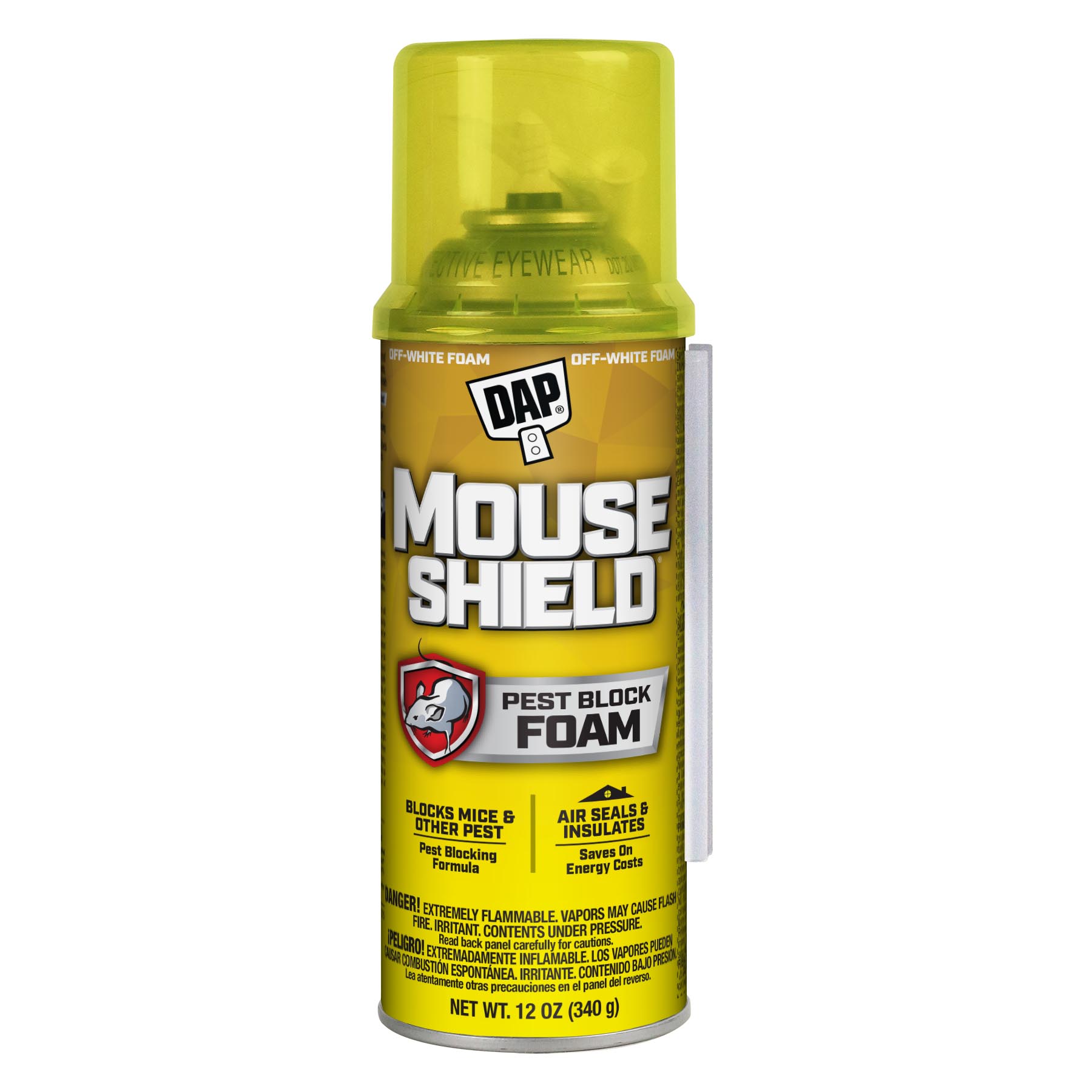
Mouse Shield Foam Sealant & Blocker
Pest Control
Learn how to pest proof your home by sealing gaps, cracks, and entry points to keep mice, spiders, and insects out for good
Mice, spiders, ants, and insects don’t need an open door to get inside your home. Tiny gaps, cracks, and penetrations around doors, pipes, foundations, and siding are all it takes. While sprays and pesticides offer short-term relief, pestproofing your home by sealing entry points is the most effective long-term solution.
This step-by-step guide shows you how to identify common pest entry points and permanently seal them to keep pests outside where they belong.
Pest Control
Sealing Gaps
Pest Control
Sealing Gaps
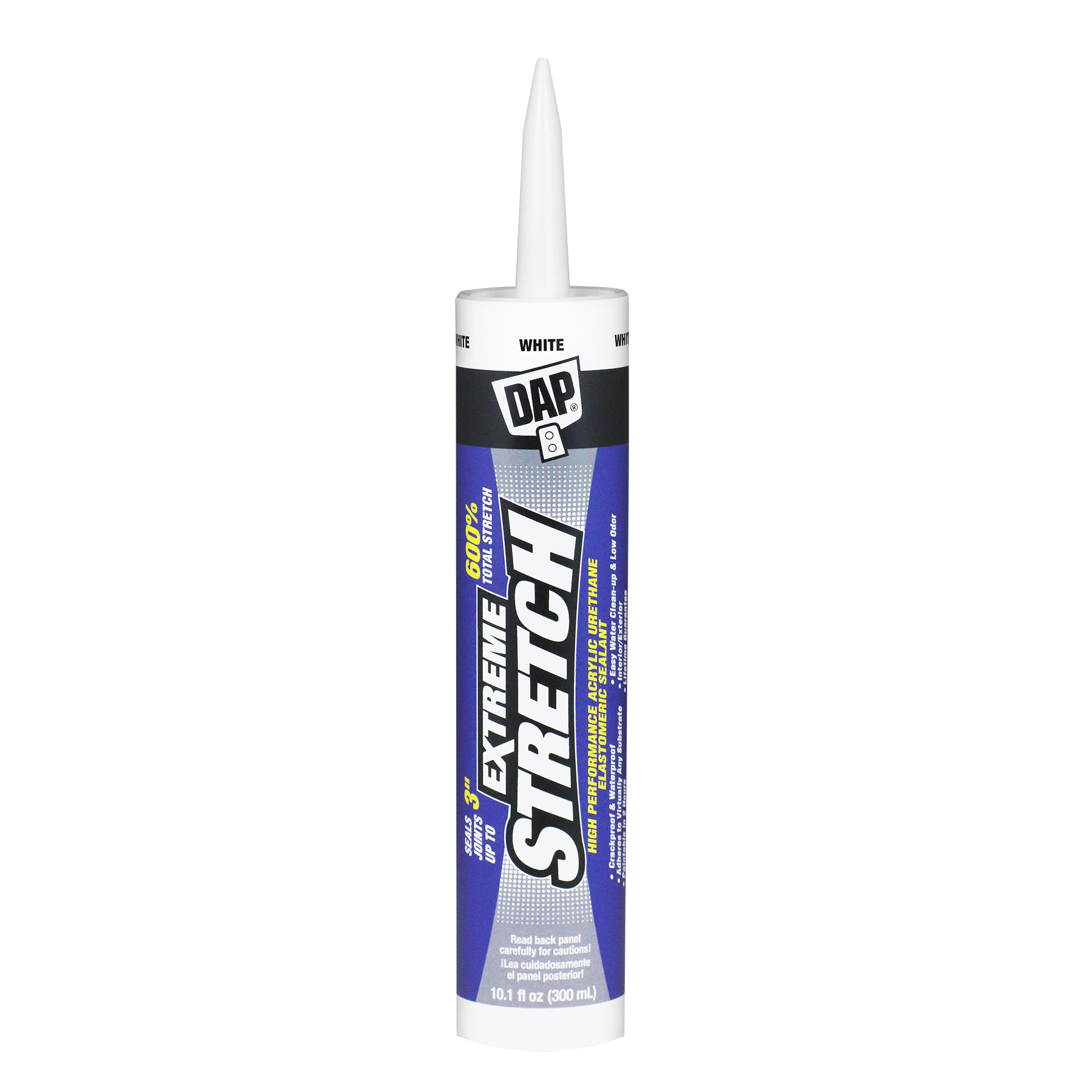
Caulk gun
Pests are usually looking for:
They commonly enter through:
Even small openings in screens or doors are an invitation for pests.
What to do: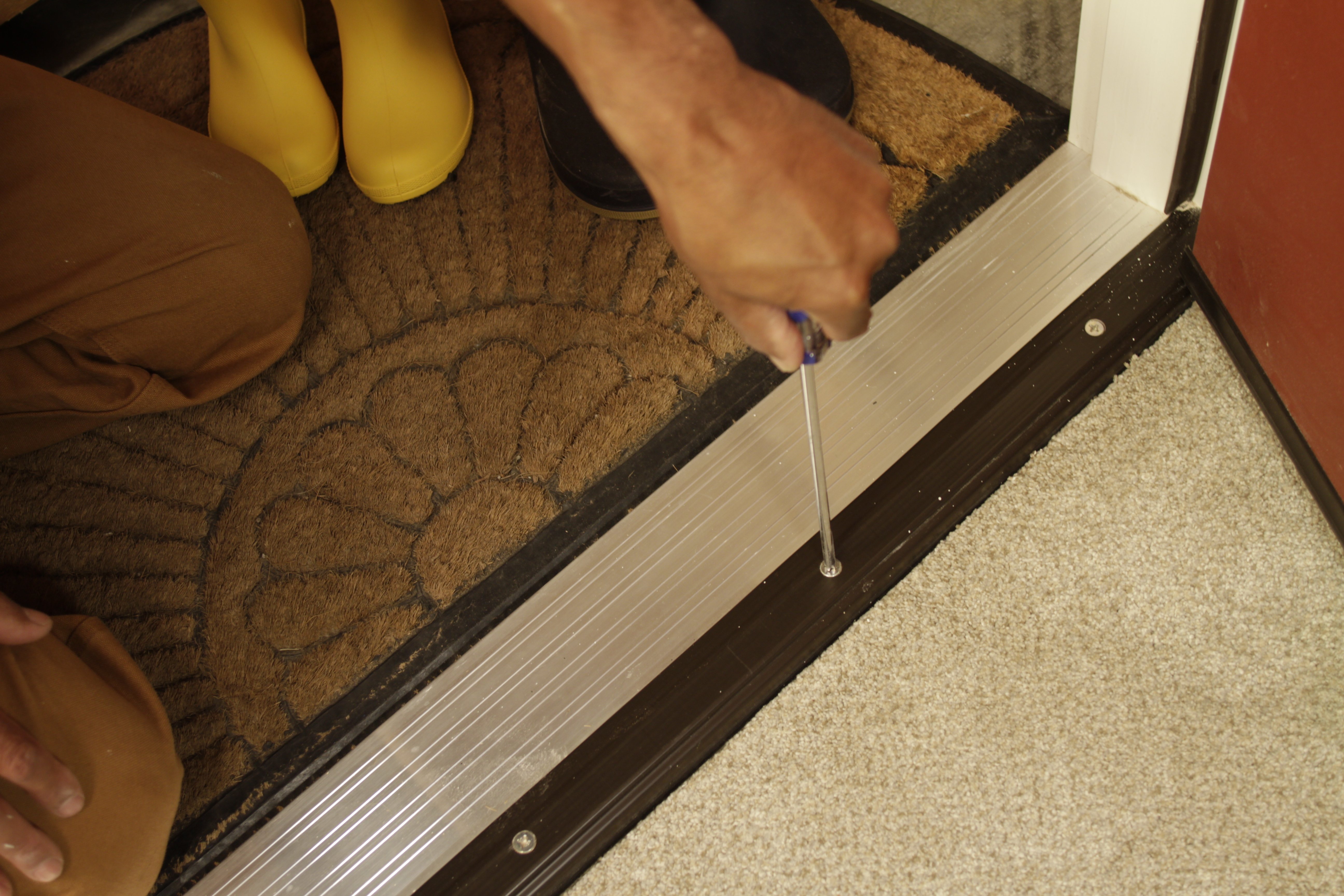
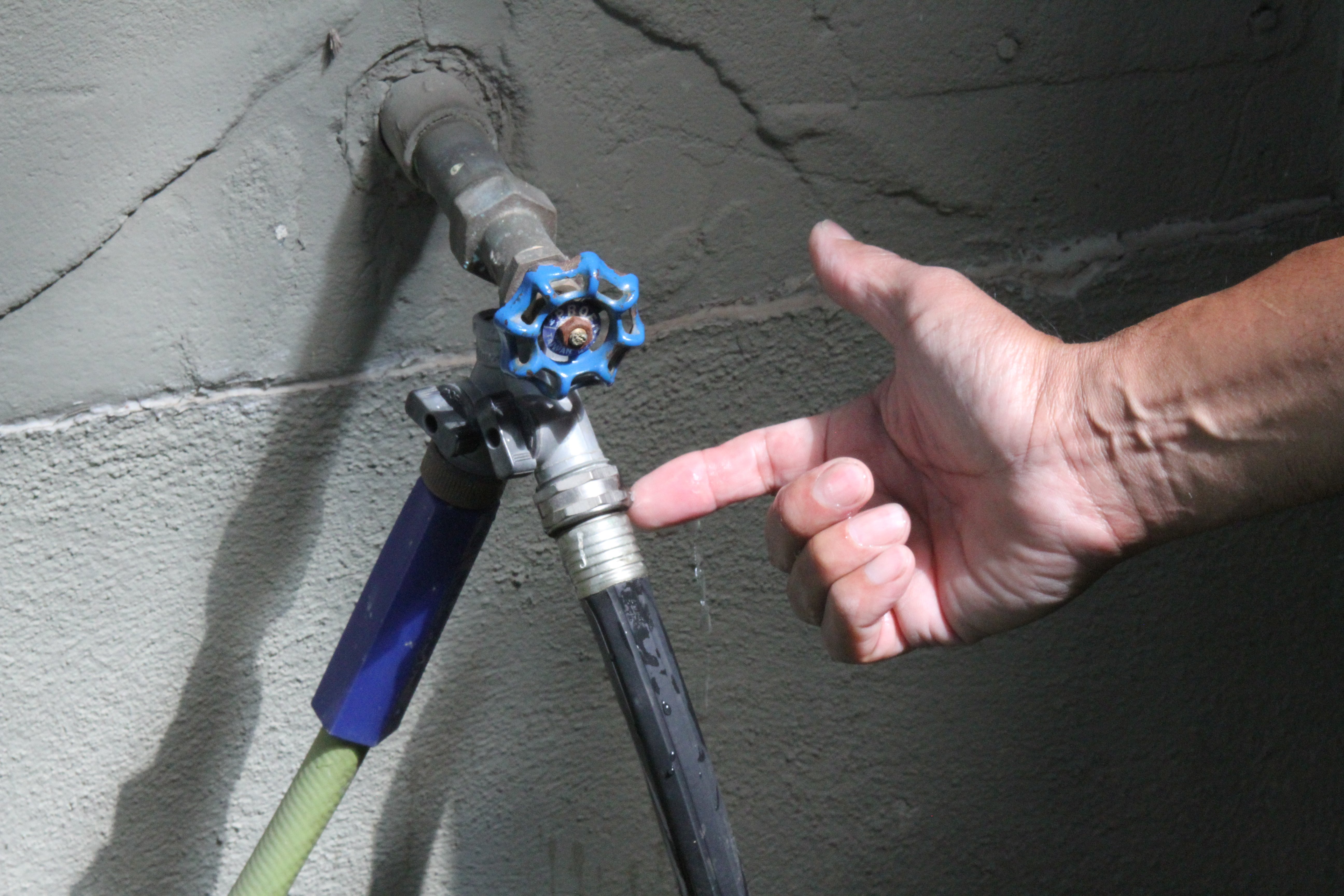
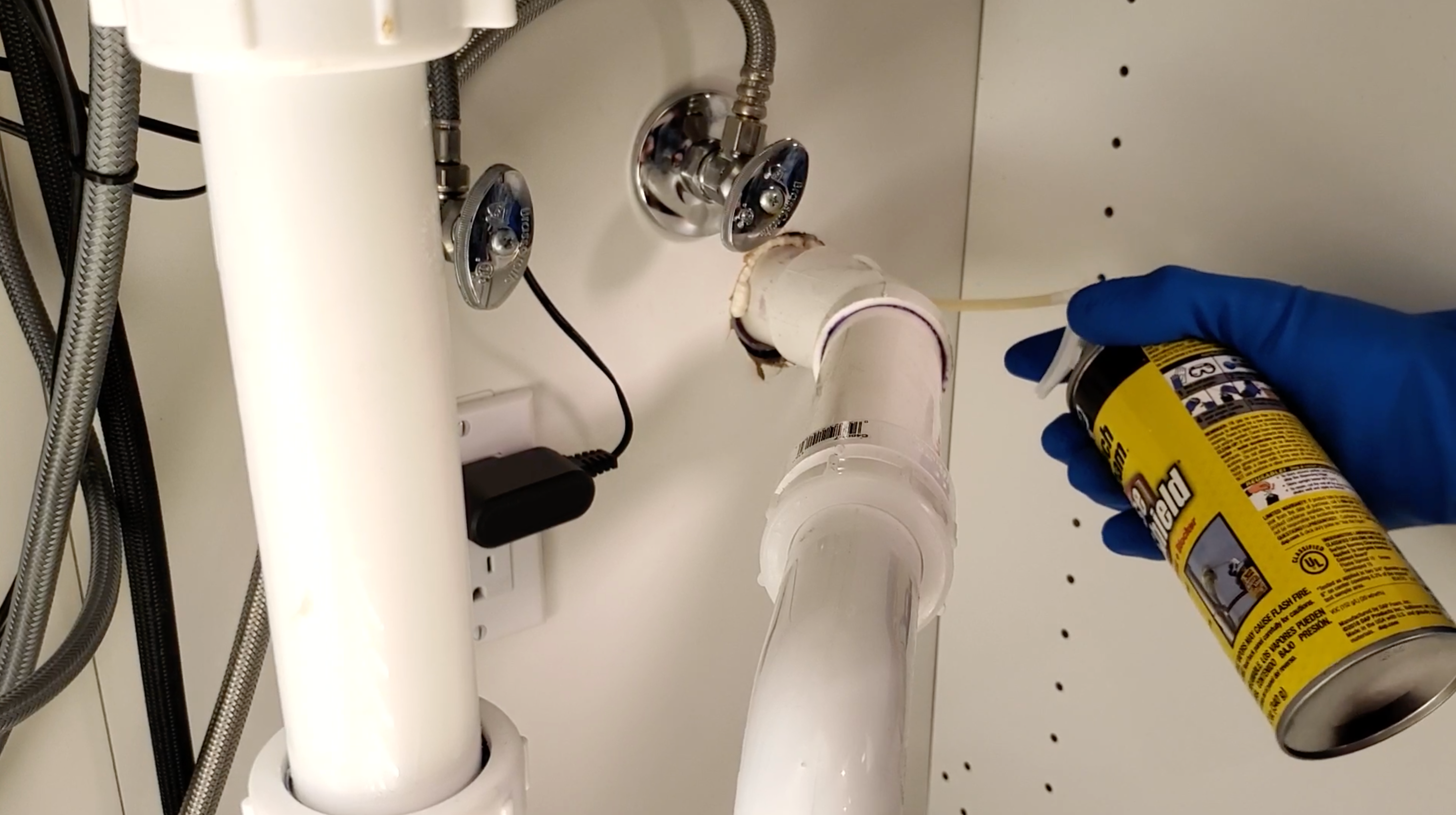
Moist areas around plumbing attract pests like cockroaches, ants, and spiders.
What to do:
This method also works between floors, in basements, and in attics.
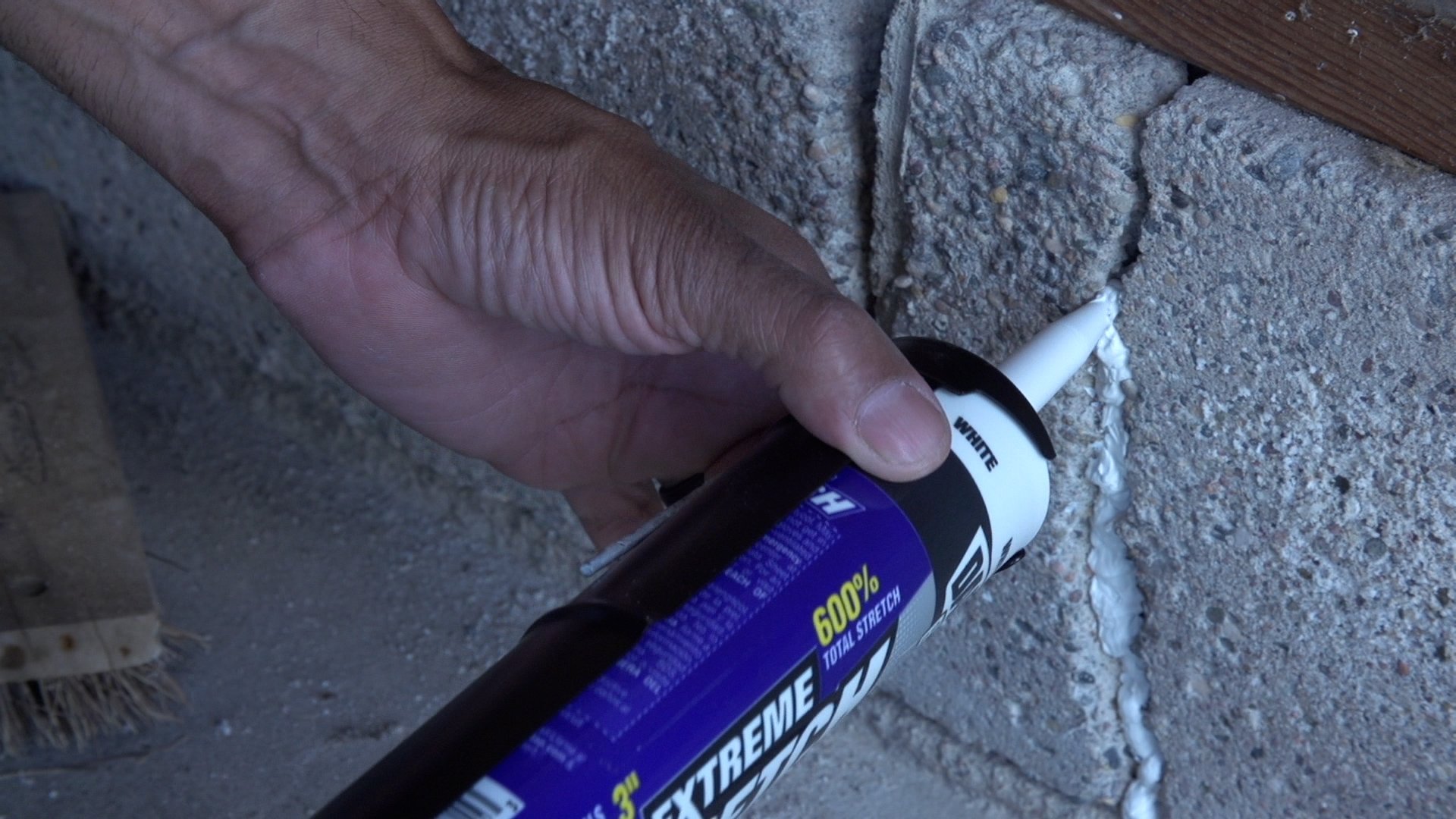
Small foundation cracks can become major entry points.
What to do:
A flexible sealant prevents future cracking as materials expand and contract.
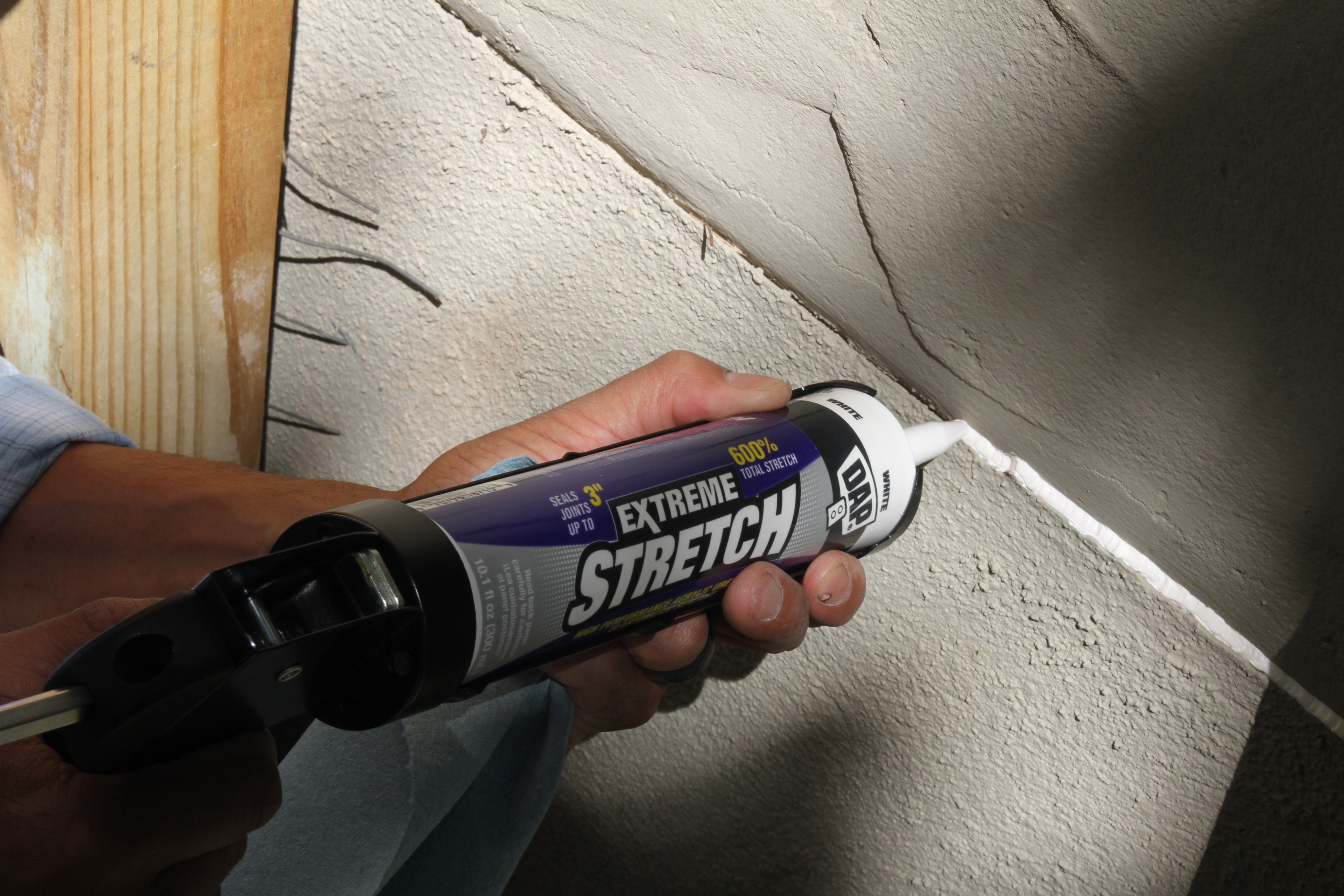
Inspect the exterior of your home for visible gaps, including:
Even a sealed home can attract pests if conditions are right.
What to do: