
How to Prevent Loose Screws
Learn why screws loosen and how to stop them using removable thread stoppers. Fix loose hinges, furniture, toilet seats, and equipment fast.
How to Prevent Loose Screws
Loose screws are a common household problem caused by vibration, repeated use, and movement over time. You’ll often find them in door hinges, furniture, toilet seats, and outdoor equipment. While temporary fixes like toothpicks or glue may work briefly, they often fail—or make screws impossible to remove later. This guide explains how to keep screws from loosening without permanently bonding them in place.
How to stop screws from coming loose
- Screws loosen due to vibration, movement, and repeated use
- Avoid permanent thread-locking adhesives if removal is needed
- Use a non-locking thread stopper to prevent backing out
- Fill oversized holes before reinstalling screws
- Use grip products to prevent slipping and stripped screw heads
TOOLS
- Drill
- Screwdriver
- Pliers
- Gloves
MATERIALS
- DAP TankBond™ Thread Stopper
- DAP TankBond™ Liquid Grip
- Wood filler
Why screws come loose
Screws loosen when:
- Materials expand and contract
- Fasteners are exposed to vibration
- Screws are repeatedly tightened and loosened
- Screws are repeatedly tightened and loosened
- The material around the screw hole wears down
The key is stopping movement without permanently locking the screw.
Tip 1: Door Hinges
Loose hinge screws can prevent doors from closing or locking properly.
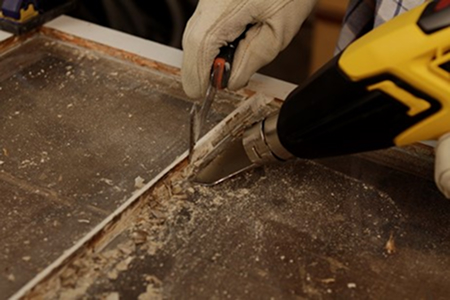
How to fix it:- Remove the hinge
- Fill oversized holes with wood filler and let dry
- Drill new pilot holes
- Coat screws with Thread Stopper
- Reattach hinge once dry
Tip 2: Toilet Seats
Toilet seat screws loosen constantly due to movement and pressure.
How to fix it:- Remove the screws
- Clean the threads
- Fill threads with Thread Stopper
- Let dry for 30 minutes
- Reinstall screws
Tip 3: Furniture
Sofa and chair legs loosen over time from repeated use.
How to fix it:- Remove the leg
- Clean the threads
- Apply Thread Stopper
- Let dry and reinstall
Tip 4: Outdoor Equipment
Vibration causes screws in lawn mowers and outdoor equipment to back out.
How to fix it:- Remove fasteners
- Coat threads with Thread Stoppers
- Let dry and reinstall
Works on metal, wood, and plastic fasteners.
Tip 5: Prevent slipping and stripped screws
To keep screwdrivers or bits from slipping
- Apply a drop of Liquid Grip to the screw head
- Drive or remove the screw as usual
This improves grip and reduces stripping.